Appearance

Visual style

Mode
Theme
Accent
Advanced
Text sizeScales the whole site
16 px
Reduce motionReduce animations or match your system
Separate light and darkChoose a theme, accent and font for each
50

Service · UI/UX Design & Creative Interactive Experiences

Interactive and 3D website development

I build interactive websites: scroll-driven storytelling, editorial motion, 3D product visuals and configurators, using GSAP, Three.js and model-viewer. Every effect is lazy-loaded, measured on throttled mobile devices, and paired with a static, fully readable reduced-motion version.

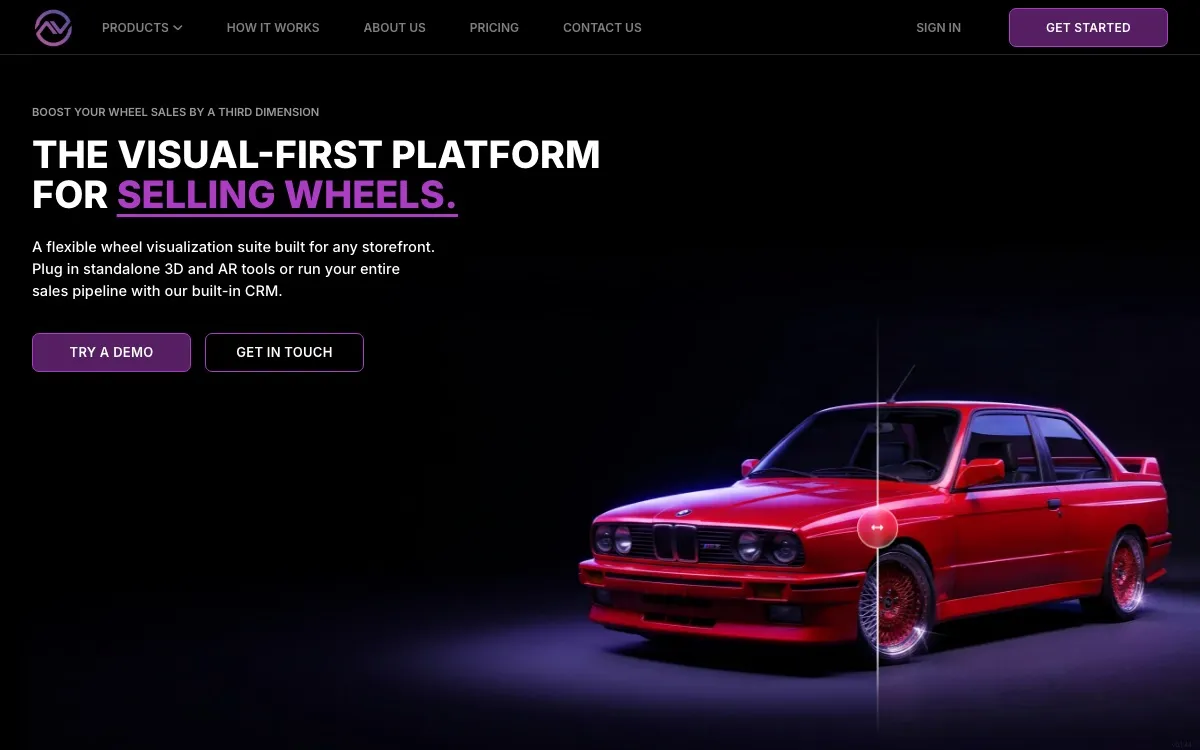
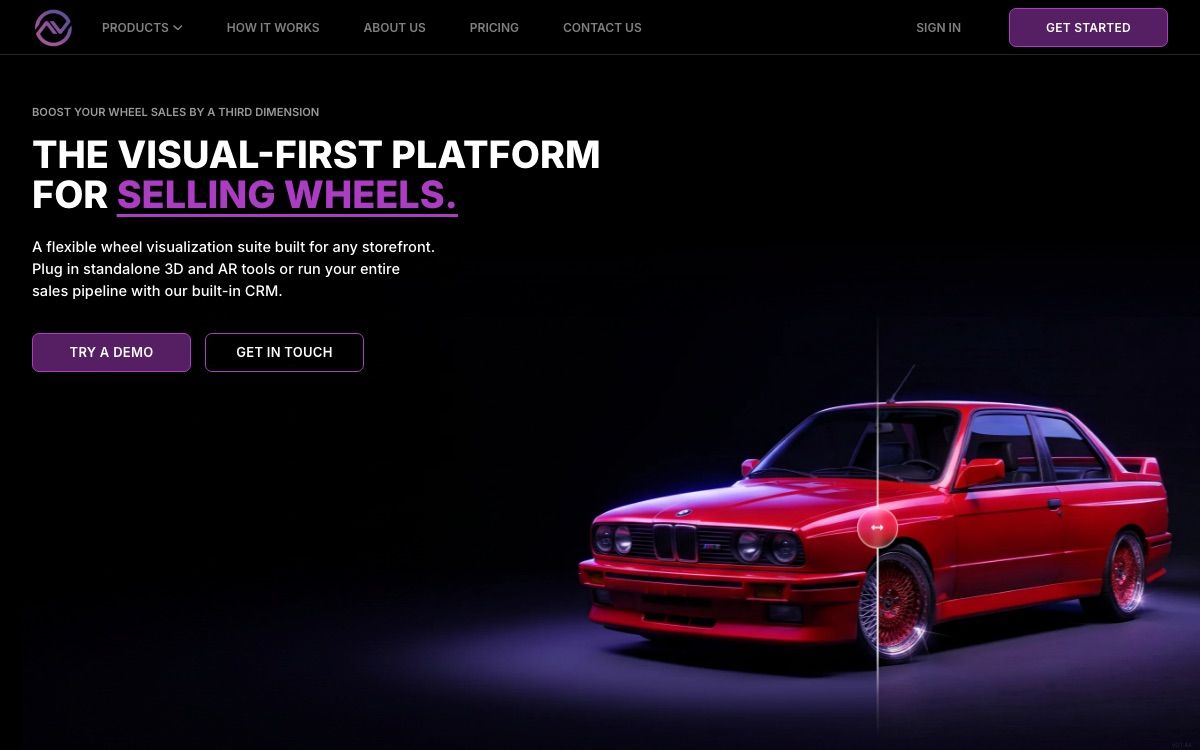
AutoViz Marketing Site — AutoViz 3D wheel visualisation platform website

Who it's for

Where interactive & 3d websites pays off

  • Products people need to see from every angle

    Wheels, packaging, furniture or fashion, where a rotating 3D view or a configurator answers questions a photo can't.

  • Brands that sell on story

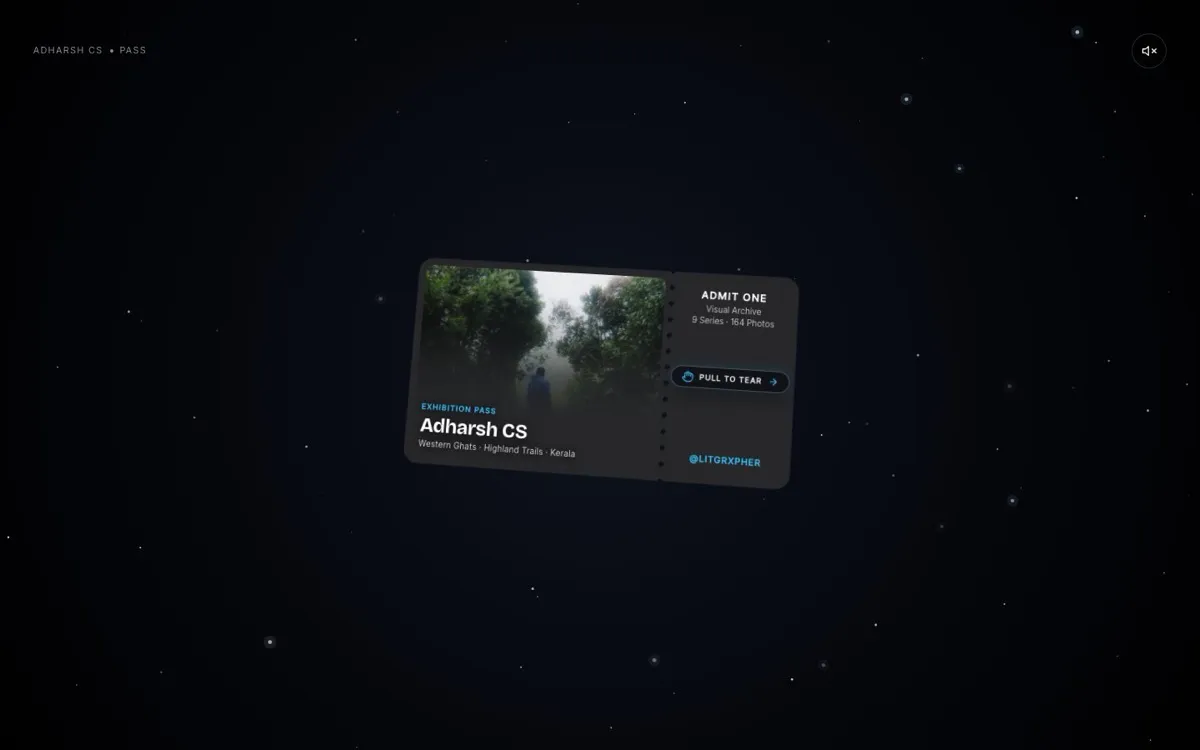
    Heritage food brands, photographers and studios, where scroll-led storytelling presents the brand's history, process or work in sequence.

  • Launches and campaigns

    A short-lived microsite for a launch or campaign, designed to be shared.

What's included

Capabilities and features

  • Scroll-driven storytelling

    Pinned sections, scrubbed timelines, stacked cards and image reveals with GSAP ScrollTrigger and smooth scrolling.

  • 3D product visuals

    Custom Three.js scenes (for example a procedural product model) or model-viewer for standard 3D and AR product views.

  • Configurators

    Interactive choices (size, finish, style) that update the visual instantly and can feed an enquiry or order.

  • Physics and playful moments

    Draggable galleries, falling shapes and small games, used sparingly where they serve the brand.

  • Performance discipline

    One animation loop, transform-only animation, lazy-loaded modules and decisions based on Lighthouse and scroll traces.

  • Reduced motion and no-JS

    Every section readable without JavaScript, and a calm, complete layout for visitors who prefer reduced motion.

Examples of interactive builds

Each of these sites is built around one idea, and the motion exists to support it:

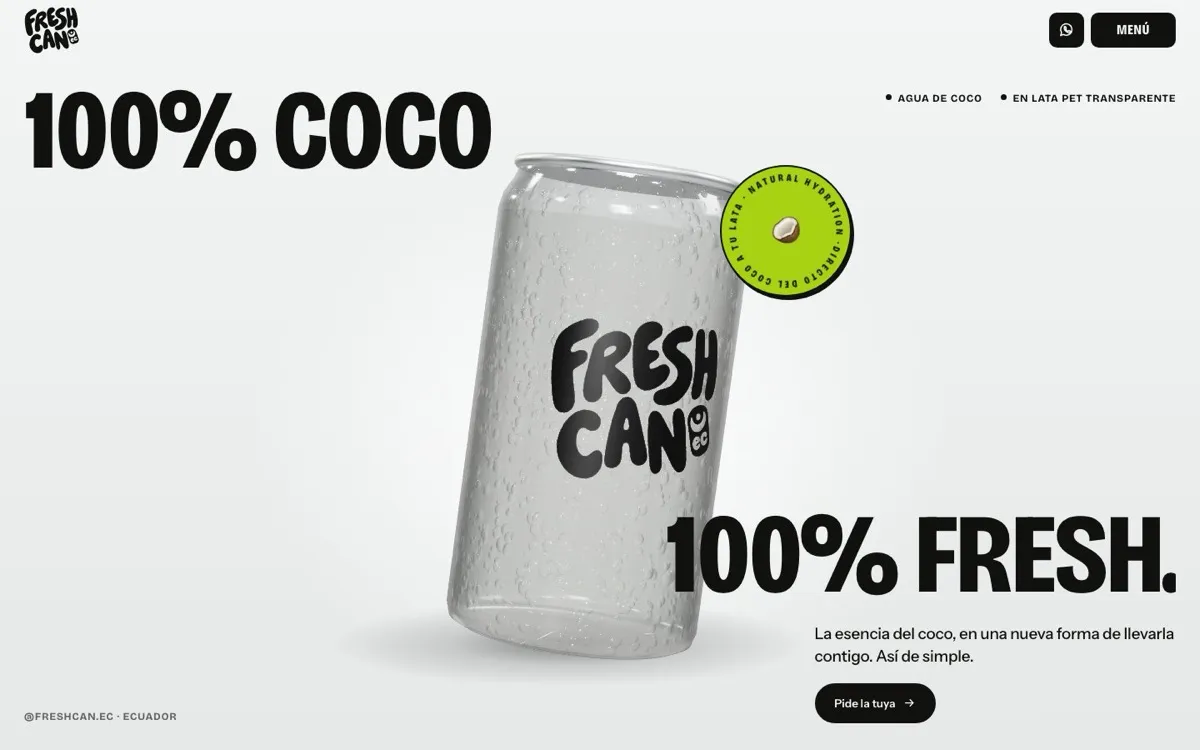
  • Fresh Can (concept): the brand’s defining feature is a transparent can, so the hero is a procedural Three.js can of cloudy coconut water that drains and refills as you scroll. The liquid level doubles as the progress indicator.
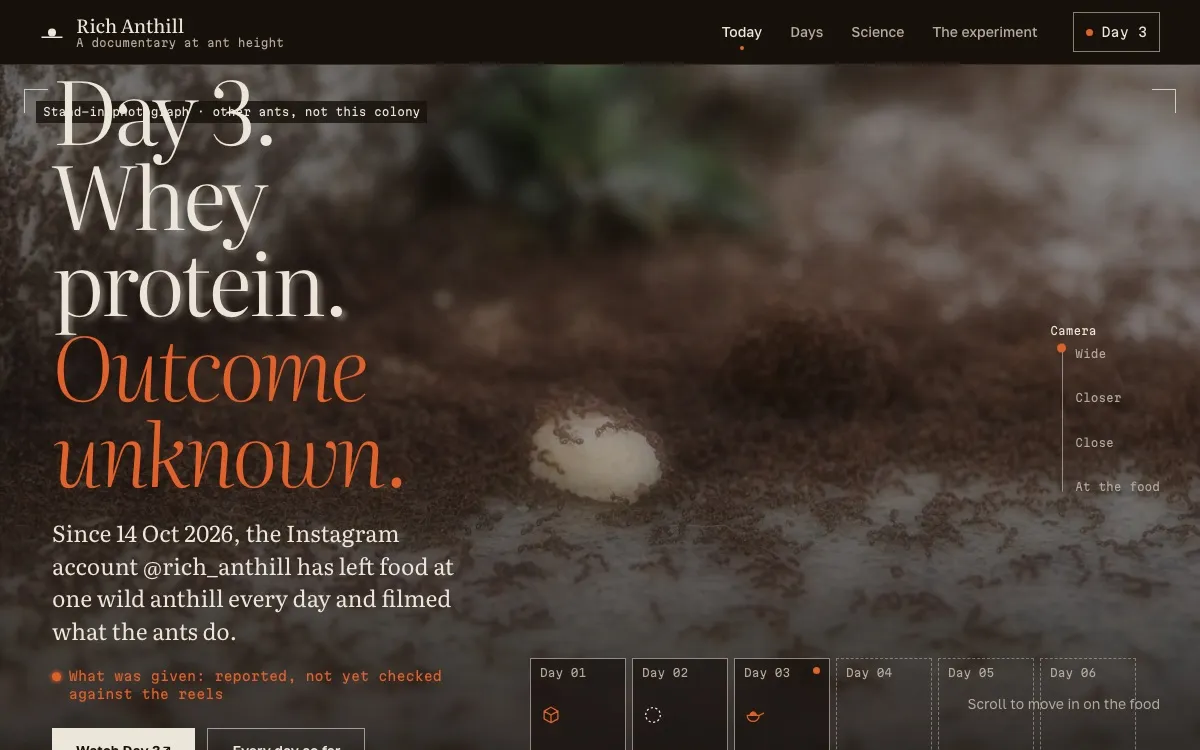
  • Rich Anthill (concept): a documentary site where the scroll is the camera, descending from eye level to the food at ant height.
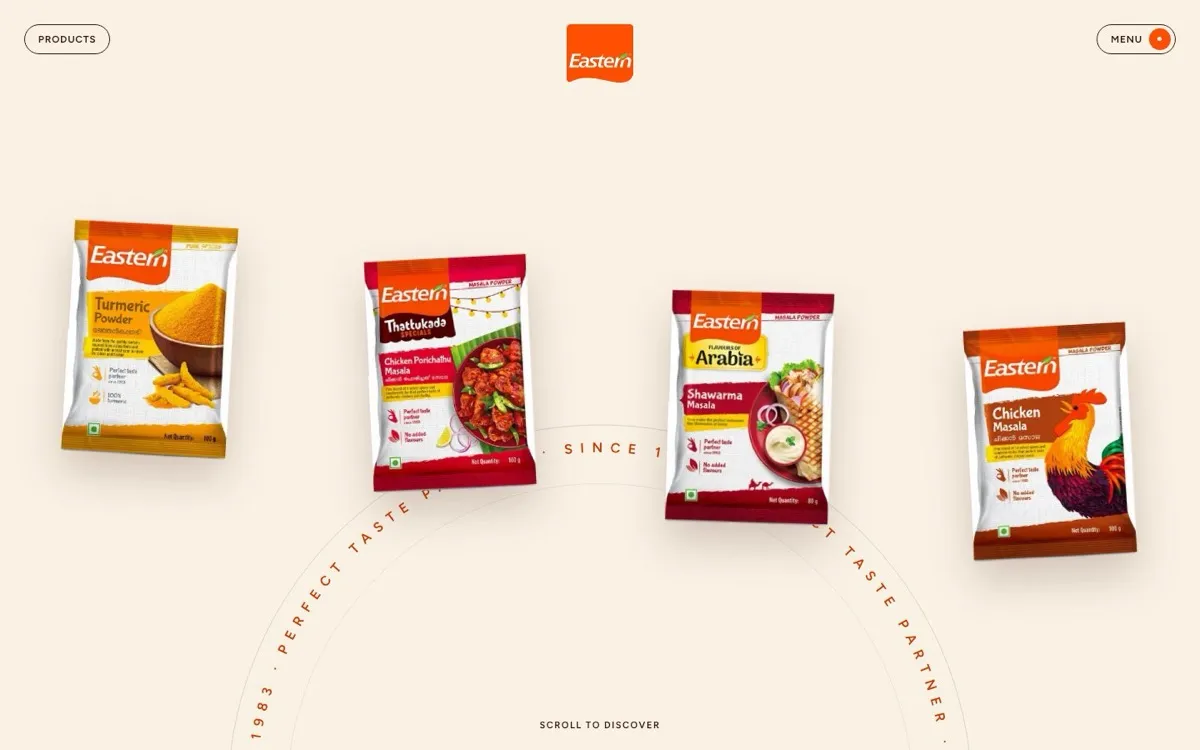
  • Eastern Condiments (rebuild): a heritage spice brand told through pinned sections, stacked cards, colour-flood range bands, drag galleries and a falling-shapes contact page.
  • AutoViz (team project): a wheel configurator and embedded 3D/AR model viewers for an automotive visualisation platform, with GSAP and Framer Motion scroll animation.
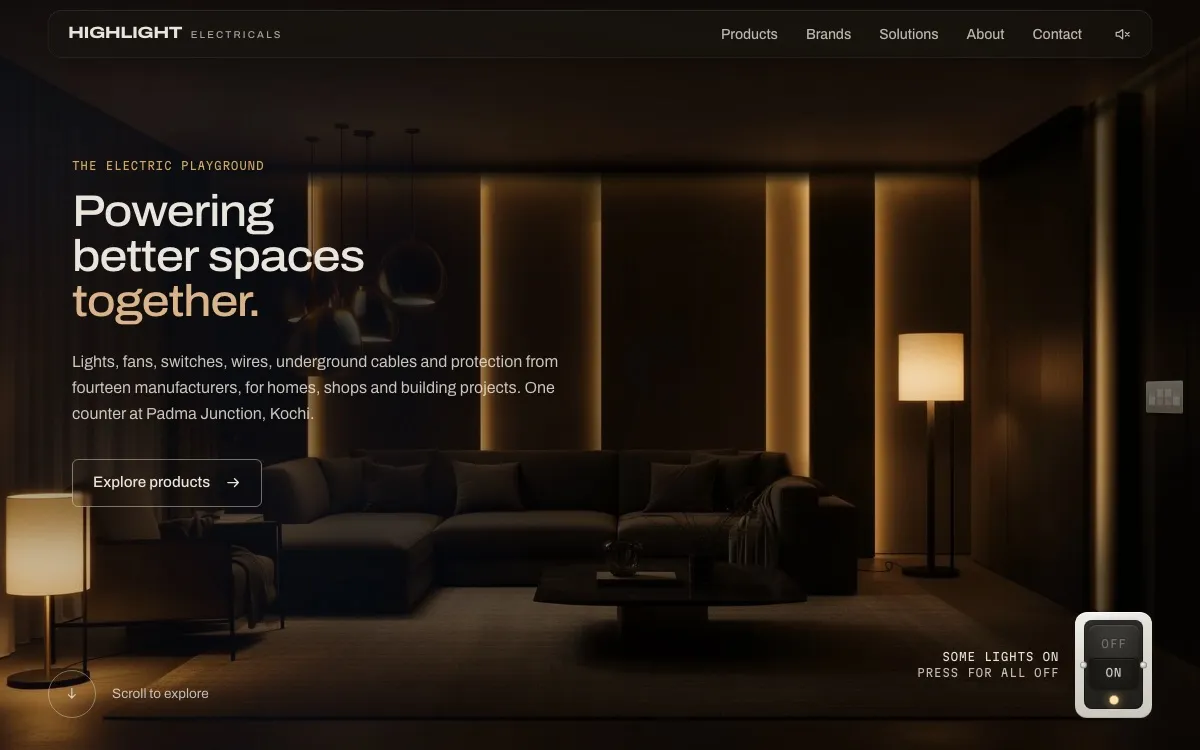
  • Highlight Electricals: a light-switch-driven hero for an electrical supplier’s catalogue.

Engineering rules for motion

  1. Content and layout first; motion is a layer on top.
  2. A single requestAnimationFrame loop owns scroll and frame updates.
  3. Animate transform and opacity; batch any layout reads on resize.
  4. Lazy-load motion and 3D modules when their section approaches.
  5. Respect prefers-reduced-motion in every module, and gate pinned layouts behind CSS that only applies when motion runs.
  6. Decide with data: on the Eastern rebuild, a stylesheet-inlining change that halved first paint was not shipped because it made the largest contentful paint worse on five of six pages.

Accessibility and reduced motion

The reduced-motion version of each page is designed, not just switched off: every piece of content is present and laid out properly, without movement.
Approach

How a interactive & 3d websites project runs

  1. Concept

    One central idea tied to the product or brand (a can that drains as you scroll, a camera descending to an anthill) rather than a collection of effects.

  2. Motion prototype

    The key interaction prototyped early on a mid-range phone, before the rest of the site is built around it.

  3. Build with fallbacks

    Content and static layout first, then motion layered on top behind feature and preference checks.

  4. Measure and tune

    Lighthouse medians and touch-scroll traces on a throttled mobile profile; changes ship only if they measurably help.

Evidence

Related projects

Projects that used this service. Each project page states its status and my role.

All work →

FAQ

Interactive & 3D Websites: common questions

Do animations slow a website down?

Badly built ones do. Animating transforms and opacity, using a single animation loop, lazy-loading motion code and keeping content in the HTML lets a site be both animated and fast. I measure on throttled mobile profiles rather than relying on how it feels on a laptop.

What is a product configurator?

An interactive tool where customers choose options (size, colour, finish, components) and see the result immediately, often in 3D. It can end in a quote request, an order or a saved configuration for a sales team.

Will an interactive site still work for accessibility and SEO?

It should. Content stays in semantic HTML, motion respects prefers-reduced-motion, and controls are keyboard-accessible. Search engines and assistive technology read the same content a visitor sees.

How much does 3D add to a page's load time?

It depends on the scene. A procedural model can add only a library and some code, loaded after the main content; a detailed glTF model with textures can be several megabytes. Lazy loading the 3D after the page renders keeps first paint unaffected either way.

Have a product or story that deserves more than a template?

Send me the brand, the product and what you want people to feel. I'll come back with a concept for the site.