Appearance

Visual style

Mode
Theme
Accent
Advanced
Text sizeScales the whole site
16 px
Reduce motionReduce animations or match your system
Separate light and darkChoose a theme, accent and font for each
50

Service · Backend, Cloud Infrastructure & AI Integration

Cloud infrastructure and DevOps on Cloudflare

I set up and maintain cloud infrastructure and delivery pipelines: Cloudflare Workers, R2, Queues and cron triggers, monorepos with pnpm and Turborepo, and GitHub Actions pipelines that deploy to staging and promote to production, gated by end-to-end tests.

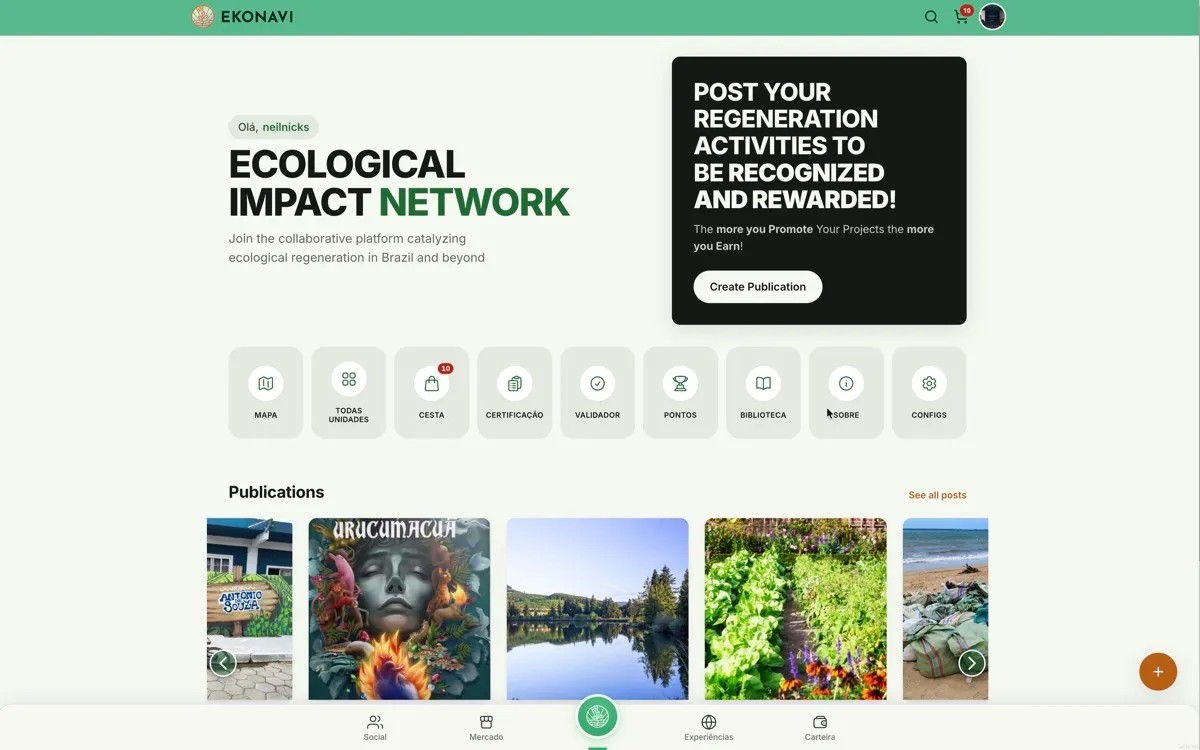
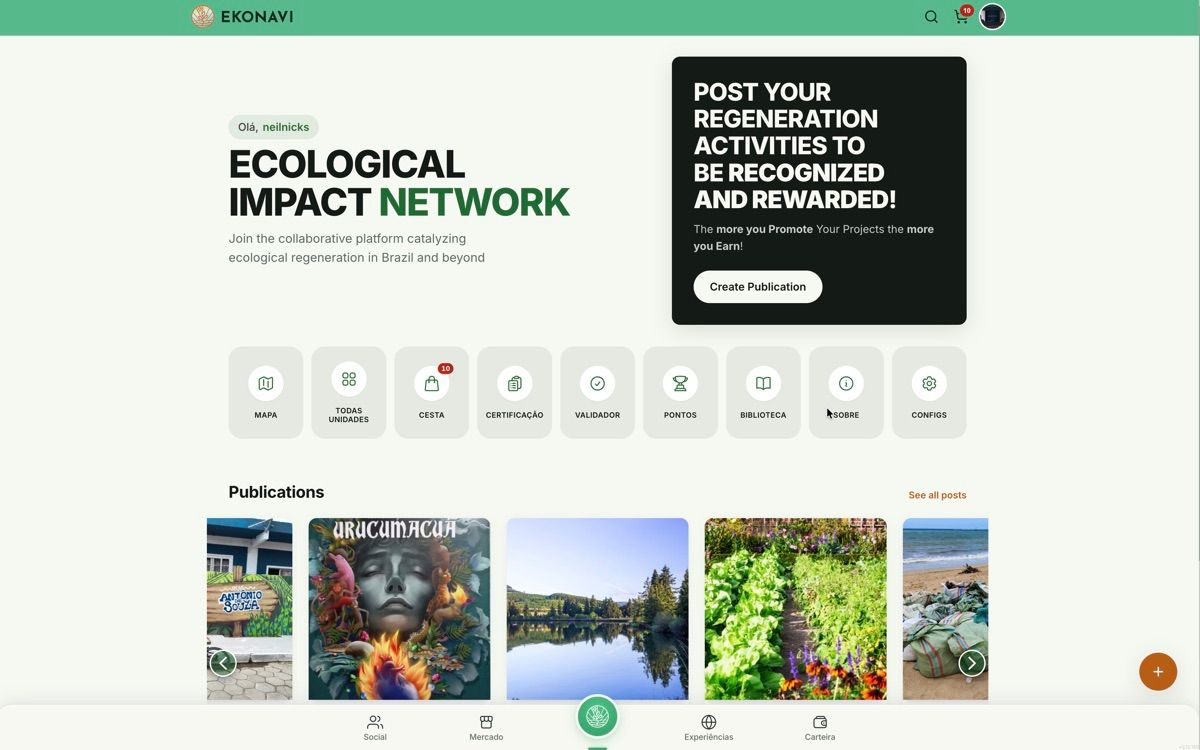
Ekonavi: Regeneration Ecosystem & Platform — Ekonavi ecological regeneration platform

Who it's for

Where cloud infrastructure & devops pays off

  • Deploys that make people nervous

    Manual deployments, no staging environment and fixes made directly in production. A pipeline makes releases routine.

  • Several apps, one team

    Frontends, APIs and shared packages in separate repos drifting apart. A monorepo with shared tooling keeps them in step.

  • Hosting costs and complexity

    Servers to patch and scale for workloads that a serverless platform runs with less effort.

What's included

Capabilities and features

  • Cloudflare Workers platform

    Frontends (via OpenNext), APIs, queues, cron jobs and object storage on one platform, configured per environment.

  • Monorepo tooling

    pnpm workspaces and Turborepo with shared packages for auth, UI, theme, forms and uploads.

  • CI/CD pipelines

    GitHub Actions matrix builds, staging deployments and promotion to production with scoped secrets.

  • Test gates

    Unit tests, type checks and Playwright end-to-end tests against deployed staging before production.

  • Environment separation

    Separate buckets, queues, databases and secrets for development, staging and production.

  • Failure handling

    Dead-letter queues, retries and scheduled reconciliation jobs for background work.

A multi-app platform on Workers

Ekonavi runs several production applications and shared packages from one pnpm + Turborepo monorepo, deployed on Cloudflare Workers. My role there spans development and DevOps:

  • Shared packages consumed across apps: auth, header, footer, uploader, forms and theme. The theme and uploader are published to npm; the footer is a Module Federation micro-frontend deployed independently.
  • CI/CD with GitHub Actions: a matrix over apps, deployment to staging, and promotion to production.
  • End-to-end tests with Playwright across the multi-app ecosystem.

Per-environment configuration

Every Worker declares its environments in Wrangler configuration: storage buckets, queues, cron schedules, and in production a dead-letter queue. Code reads bindings by name. Staging and production therefore have the same structure, so a test that passes on staging tells you something about production.

What I check in an infrastructure audit

QuestionWhy it matters
Can you deploy the same commit to staging and production?Otherwise staging tests prove little
Where are secrets stored and who can read them?Leaked keys are the most common serious incident
What happens when a background job fails?Silent failures become customer complaints
How long does a rollback take?Determines how risky every deploy feels

Approach

How a cloud infrastructure & devops project runs

  1. Audit

    How code reaches production today, where secrets live, and what breaks most often.

  2. Environments

    Define staging and production with identical topology and separate configuration.

  3. Pipeline

    Build, test, deploy to staging, verify, promote, with rollbacks documented.

  4. Hand-over

    Runbooks and a pipeline your team can extend without me.

FAQ

Cloud Infrastructure & DevOps: common questions

Is serverless cheaper than a VPS?

For most business web workloads with uneven traffic, yes, because you pay for requests rather than idle servers and avoid patching and scaling work. For constant, CPU-heavy workloads a dedicated server can be cheaper. The bigger saving is usually engineering time.

What is a monorepo and when is it worth it?

A single repository holding several apps and shared packages. It's worth it when apps share code (auth, UI, types) and are released by the same team, because a change to shared code can be tested against every app in one pull request.

How do you deploy safely?

The same commit goes to staging first, automated tests run against the deployed services, and only then is it promoted to production with production configuration. Environment-specific settings live in config, not in code.

What is a staging environment?

A staging environment is a copy of production (same code, same topology, separate data and secrets) where changes are deployed and tested before they reach real users. It's what lets a team release confidently, because production only ever receives a version already proven on staging.

Want releases to stop being risky?

Tell me how you deploy today and what has gone wrong recently. I'll suggest the smallest changes with the biggest effect.