Appearance

Visual style

Mode
Theme
Accent
Advanced
Text sizeScales the whole site
16 px
Reduce motionReduce animations or match your system
Separate light and darkChoose a theme, accent and font for each
50

Industry · Fashion & Apparel

Websites for fashion labels and couture ateliers

I build websites for fashion labels, couture ateliers and designer studios: editorial collection pages, process stories and fluid motion that feel like the brand, with consultation and enquiry flows, and an architecture ready for e-commerce when the label is.

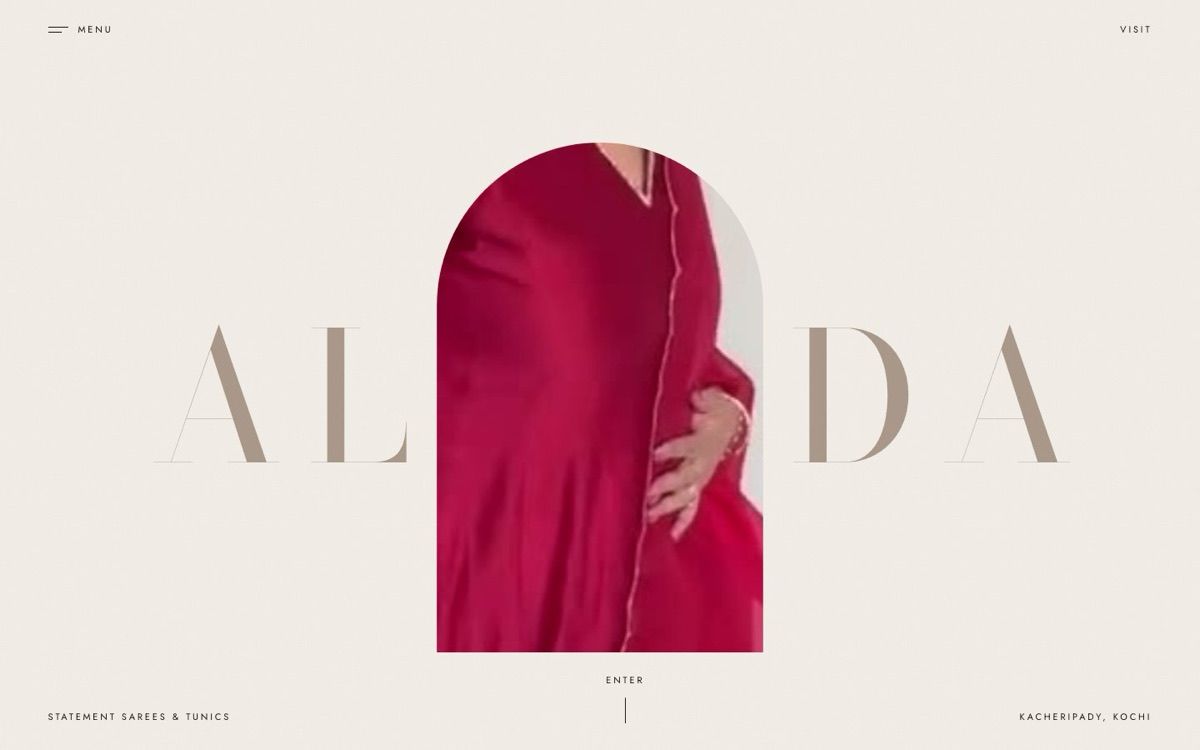
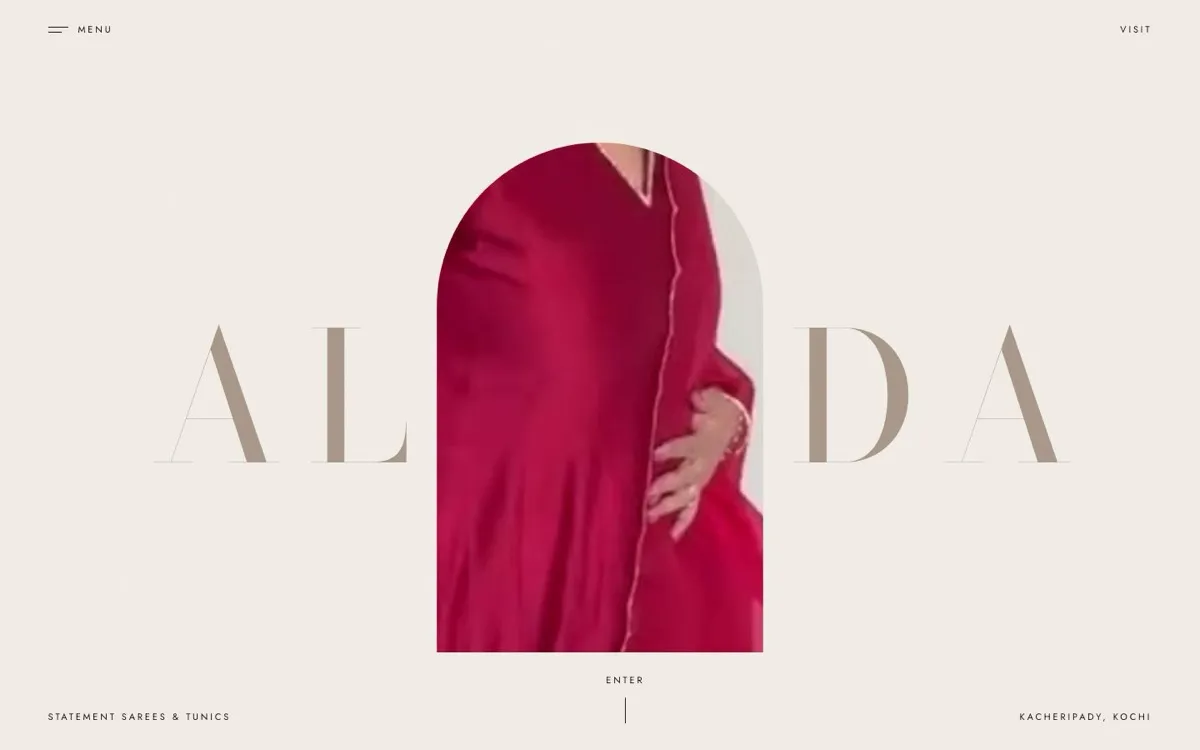
ALDA Designer website

The problem

Common digital challenges in fashion & apparel

  • Instagram does the selling

    Collections live on Instagram and sales happen in DMs. That works until enquiries pile up and nothing is organised.

  • Templates flatten the brand

    Generic store themes make a couture label look like a mass-market shop.

  • Bespoke work is hard to sell online

    Made-to-measure and bridal work needs consultations, not a cart.

What to build

Features worth having

  • Editorial collection pages

    Collections presented like a lookbook, with art-directed layouts and large imagery.

  • Process and atelier stories

    How pieces are made, which matters for couture and bridal clients.

  • Consultation flows

    Appointment and consultation requests that capture occasion, dates and preferences.

  • Motion with restraint

    Fluid transitions and reveals that feel crafted, without slowing the site.

  • Commerce-ready catalogue

    Product data structured so a shop, headless commerce or WhatsApp ordering can be added later.

  • Image performance

    High-resolution imagery delivered efficiently on mobile, where most fashion browsing happens.

What I’ve built

  • ALDA Designer (live preview): a flagship luxury fashion studio and retail showcase for statement sarees, tunics and kaftans in Kochi, with editorial design and fluid interactions in Next.js and Framer Motion.
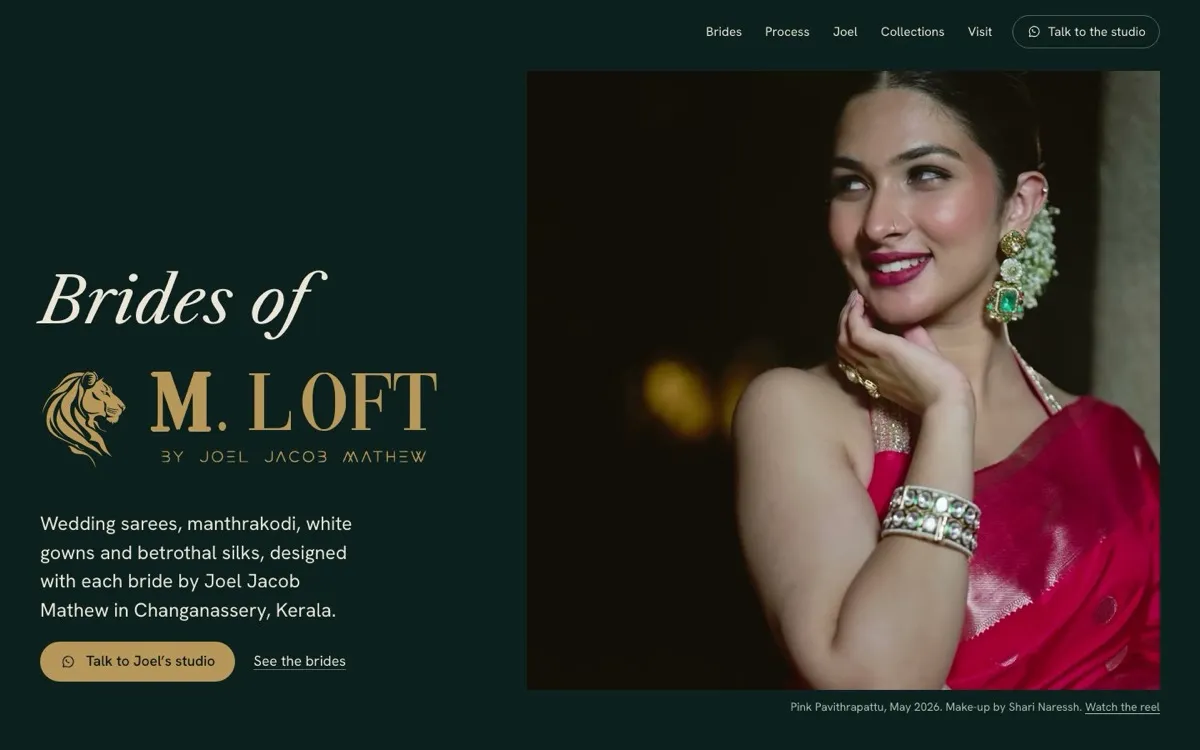
  • M LOFT by Joel Jacob Mathew (live preview): a bespoke bridal couture atelier site for a designer in Changanassery, with collection galleries, process stories and direct consultations, built with Astro.

Adding e-commerce to a fashion website

Fashion sites often start with a store theme. For labels that sell on craft, this order usually works better:

  1. Editorial site: collections, atelier story, press, consultations.
  2. Enquiry and consultation flows: structured requests by form or WhatsApp.
  3. Commerce: add a store (hosted or headless) for ready-to-wear once demand is clear.

If the catalogue is structured data from the start, step three adds to the site instead of replacing it.
Stack

Technologies I typically use here

FAQ

Fashion & Apparel: common questions

Should a fashion brand start with a website or an online store?

If most sales are bespoke or consultation-based, start with an editorial website and a consultation flow. If you sell ready-to-wear in sizes, a store makes sense. A well-structured site can add commerce later without a rebuild.

Shopify or custom for a fashion label?

Shopify suits labels selling standard sized products who want to manage the store themselves. A custom or headless build suits labels where the brand experience is the differentiator, or where made-to-order, bridal or consultation flows don't fit a standard cart.

How do you keep large fashion imagery fast?

Modern formats (AVIF, WebP), responsive sizes per device, explicit dimensions to prevent layout shifts, and loading priority for the first image a visitor sees.

Launching or relaunching a label online?

Send me the brand, how you sell today and where you'd like online to take it.