Appearance

Visual style

Mode
Theme
Accent
Advanced
Text sizeScales the whole site
16 px
Reduce motionReduce animations or match your system
Separate light and darkChoose a theme, accent and font for each
50

Industry · Retail & Consumer Brands

Websites for retailers and consumer brands

I build websites for retailers, distributors and consumer brands: large product catalogues, store locators, content hubs such as recipes, and ordering flows from simple WhatsApp orders to full e-commerce. Catalogue data is structured and tested, so products, stores and documents stay accurate.

Eastern Condiments Website Rebuild website

The problem

Common digital challenges in retail & consumer brands

  • Big catalogues, little structure

    Hundreds of products across categories and manufacturers, maintained by hand, with inconsistent details and broken images.

  • Where can I buy it?

    Customers can't find stockists, and retailer links on product pages are out of date.

  • Ordering through chat

    Many local and D2C brands sell through WhatsApp, but customers have to type everything themselves.

What to build

Features worth having

  • Structured product catalogue

    Categories, variants, pack sizes, manufacturers and retailer links as validated data.

  • Search and filters

    Fast catalogue search and filtering, crawlable product pages and shareable URLs.

  • Store locator

    Stores with coordinates, country and text filters.

  • Content hubs

    Recipes, guides and stories linked to the products they use.

  • WhatsApp or online ordering

    A pre-filled order message built from the visitor's selection, or a full cart and checkout.

  • Integrity tests

    Automated tests that every product has an image, every recipe links to real products and every store has a location.

What I’ve built

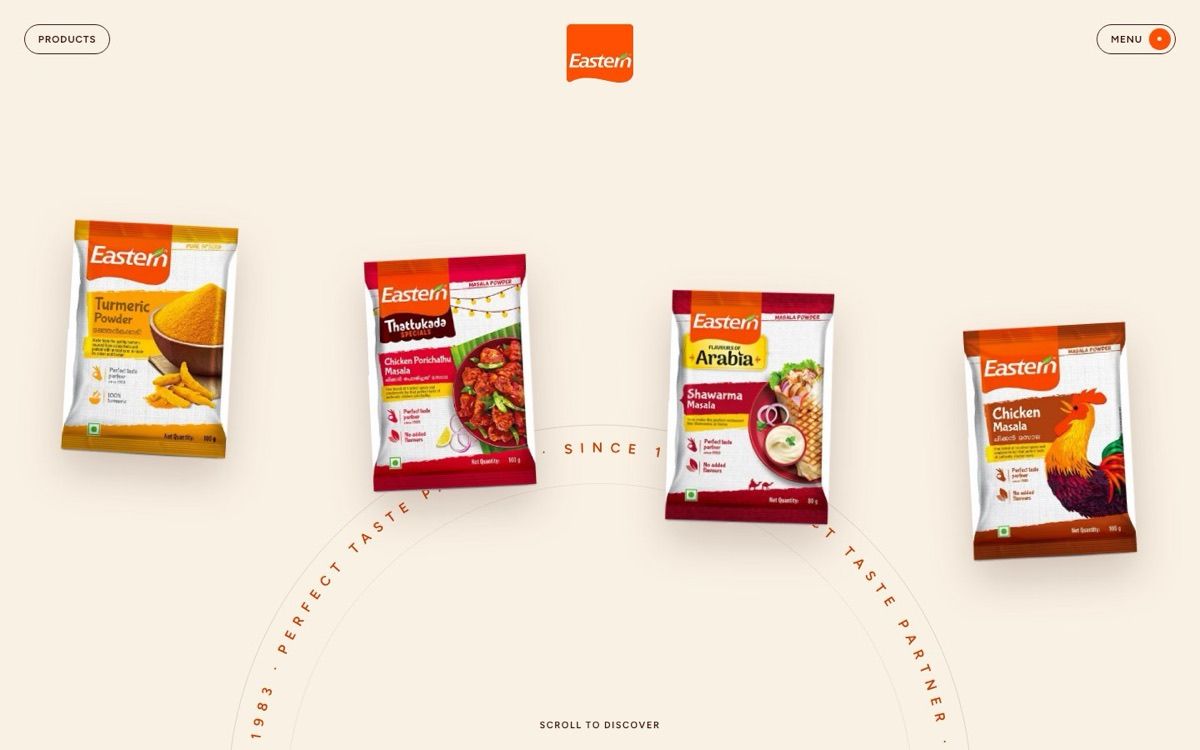
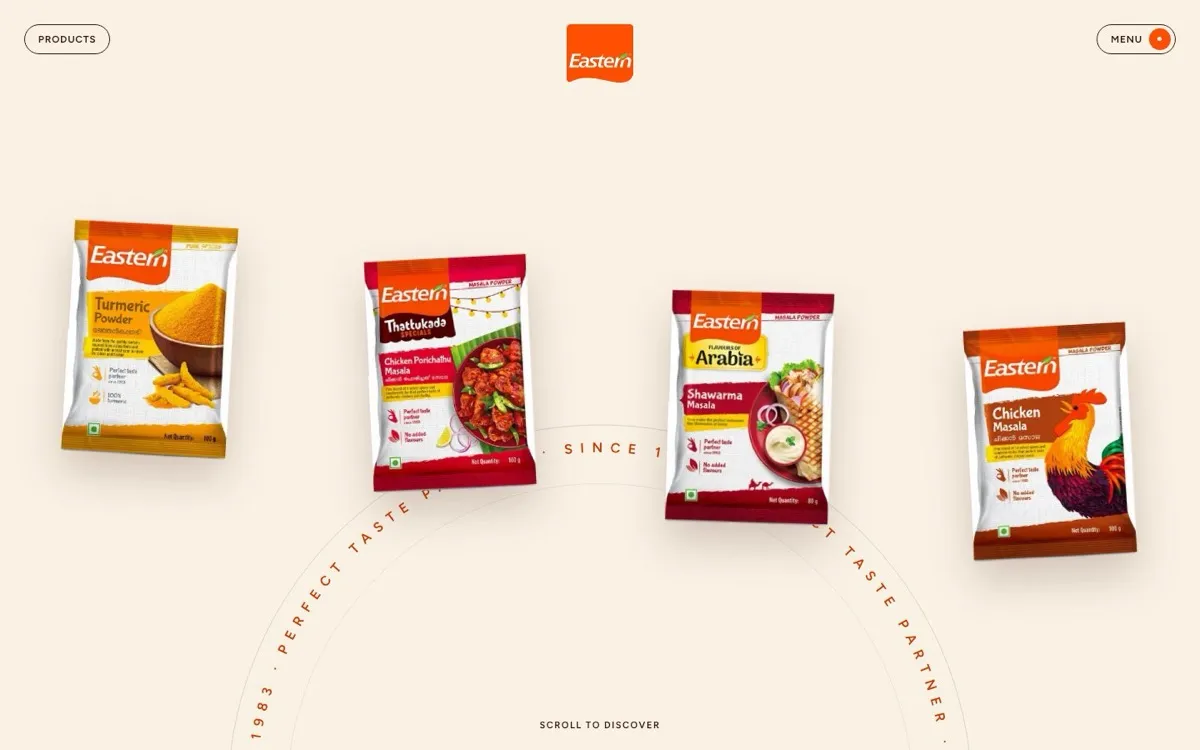
  • Eastern Condiments (rebuild, live preview): a complete rebuild of a spice brand’s large WordPress site. 141 products with pack sizes and retailer links, 36 video recipes and 40 cookbook recipes linked to products, 108 stores with coordinates, and every original URL preserved or redirected.
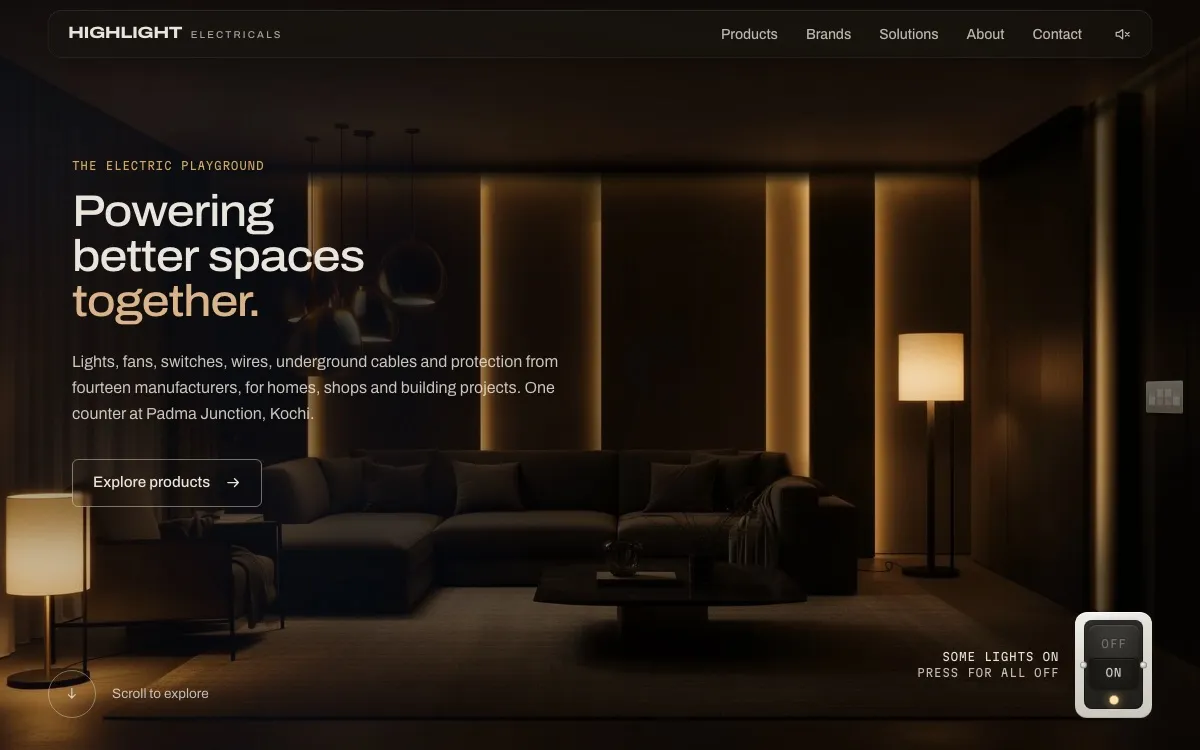
  • Highlight Electricals (live preview): an interactive catalogue for a Kochi electrical supplier, covering lights, fans, switches, cables and protection from fourteen manufacturers, with a light-switch-driven hero.
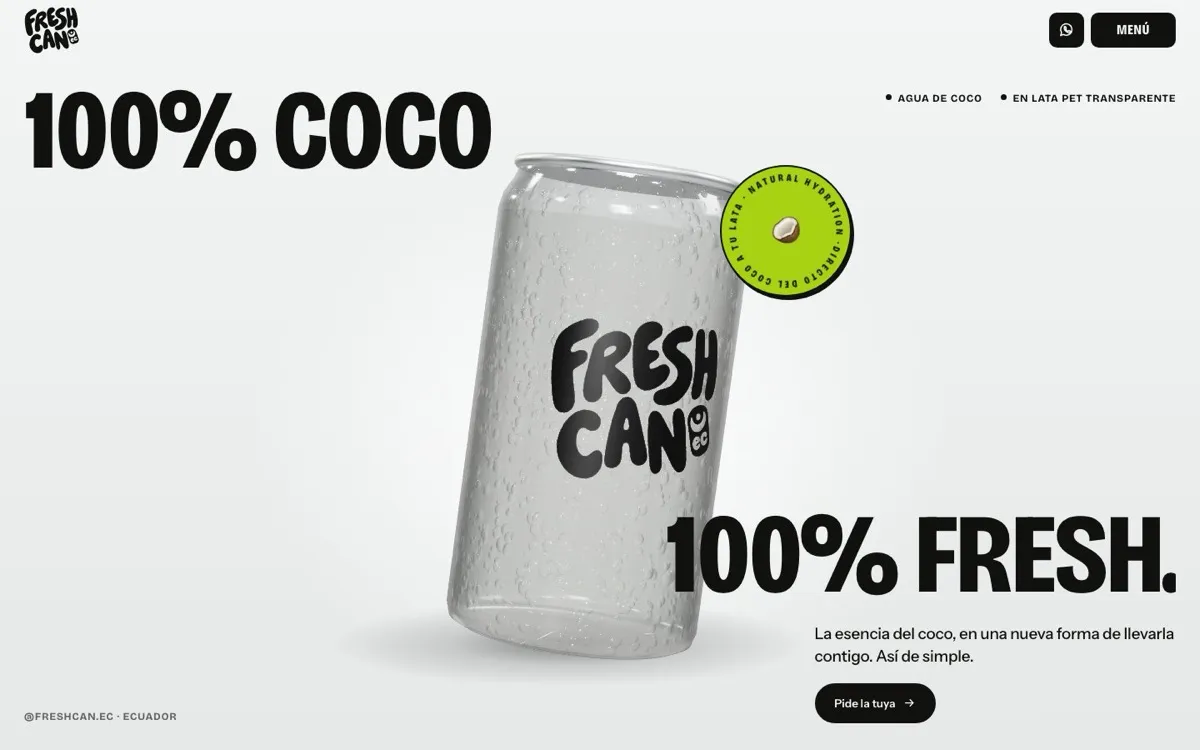
  • Fresh Can (concept): a speculative brand site for a coconut water brand in Ecuador, with a procedural 3D can and a WhatsApp ordering popover that builds the order message from the chosen format. No prices or cart, by design.
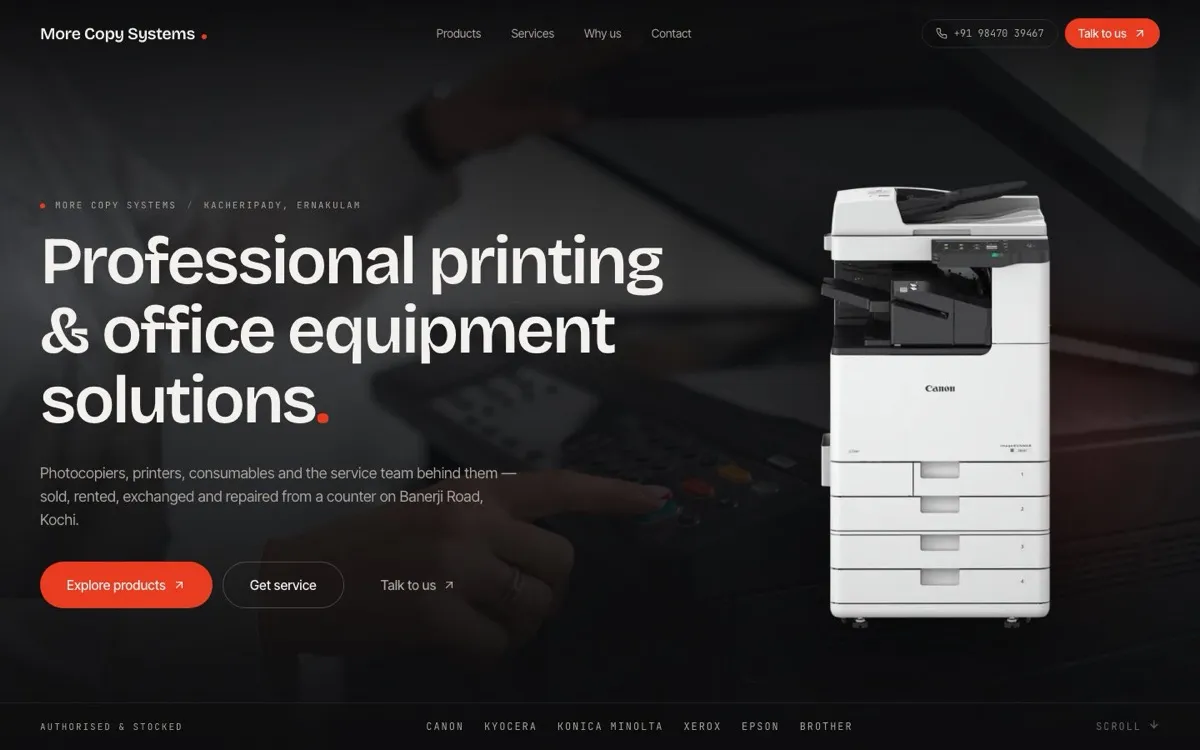
  • More Copy Systems (in production): a business website for a printer and copier solutions company, with service listings and contact workflows.

Testing catalogue data

On the Eastern rebuild, unit tests prove that all original products are present, slugs are unique, pack sizes and retailer links match the source exactly, every product has an image, and every recipe links only to products that exist. These checks keep a large catalogue accurate after launch, when people who didn’t build it start editing it.
Stack

Technologies I typically use here

FAQ

Retail & Consumer Brands: common questions

How should a brand with hundreds of products structure its website?

Treat products as data: one typed record per product with category, variants and links, rendered into consistent pages. That makes search, filters, related products and content links reliable, and lets tests catch missing images or broken references.

Can customers order on WhatsApp from a website?

Yes. The simplest version lets customers choose products and formats on the site, then opens WhatsApp with a pre-filled order message. It suits brands that already sell through conversation and don't want a cart and checkout yet.

How do you keep stockist and retailer information accurate?

By keeping it as structured data with validation (every store has coordinates, every retailer link is checked), so gaps are found by tests rather than customers.

Have a catalogue that deserves a better website?

Tell me how many products you have, where the data lives and how customers buy today.